

The study uses worms to isolate a clear cause-and-effect link between one molecular change and the appearance of toxic aggregates. That clarity matters because brains are complex and many age-related shifts occur at once. By dialing down EPS8 activity, researchers preserved nerve function and prevented aggregation, offering a direct way to test whether similar mechanisms operate in mammals and humans.
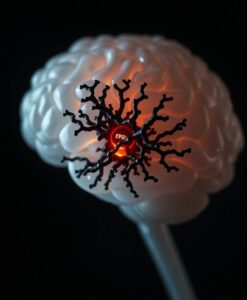
If this molecular switch exists in people, it could open new paths for therapies that protect brain cells by tuning age-related signaling rather than trying to remove already-formed clumps. The finding invites questions about how lifestyle, genetics, and other age-linked processes influence EPS8 and related pathways, and whether boosting resilience in neurons might improve late-life health and inclusion across lifespans. Click through to see how this line of inquiry connects to future strategies for maintaining human potential as we age.
Scientists have identified a molecular switch that may help explain why aging makes the brain more vulnerable to diseases such as ALS and Huntington’s. In worms, the protein EPS8 builds up with age and triggers signaling that encourages toxic proteins to clump together, damaging neurons and shortening lifespan. Reducing EPS8 activity prevented these harmful aggregates and preserved nerve function.