
Families, schools, and communities shape those opportunities. Playgrounds, recess time, and guidance on safe, varied movement can create durable motor skills that support lifelong activity. Equally important are routines for rest and nutrition that teach the body how to recover and use energy efficiently. Small, repeatable practices in childhood can alter the trajectory of physical resilience and reduce vulnerability to chronic disease.
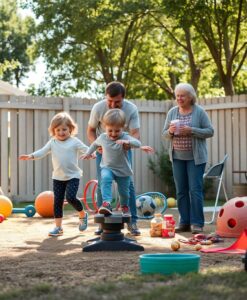
Curiosity about the mechanisms behind these links opens practical questions: which types of movement matter most at different ages, how social environments influence habit formation, and how public policy can broaden access to developmentally appropriate activity. Follow the full article to see how this perspective connects to human potential, growth, and more inclusive approaches to long-term wellbeing.
This expert Q&A explores the idea that longevity and healthspan begin in childhood with the building of healthy habits and fundamental movement skills…