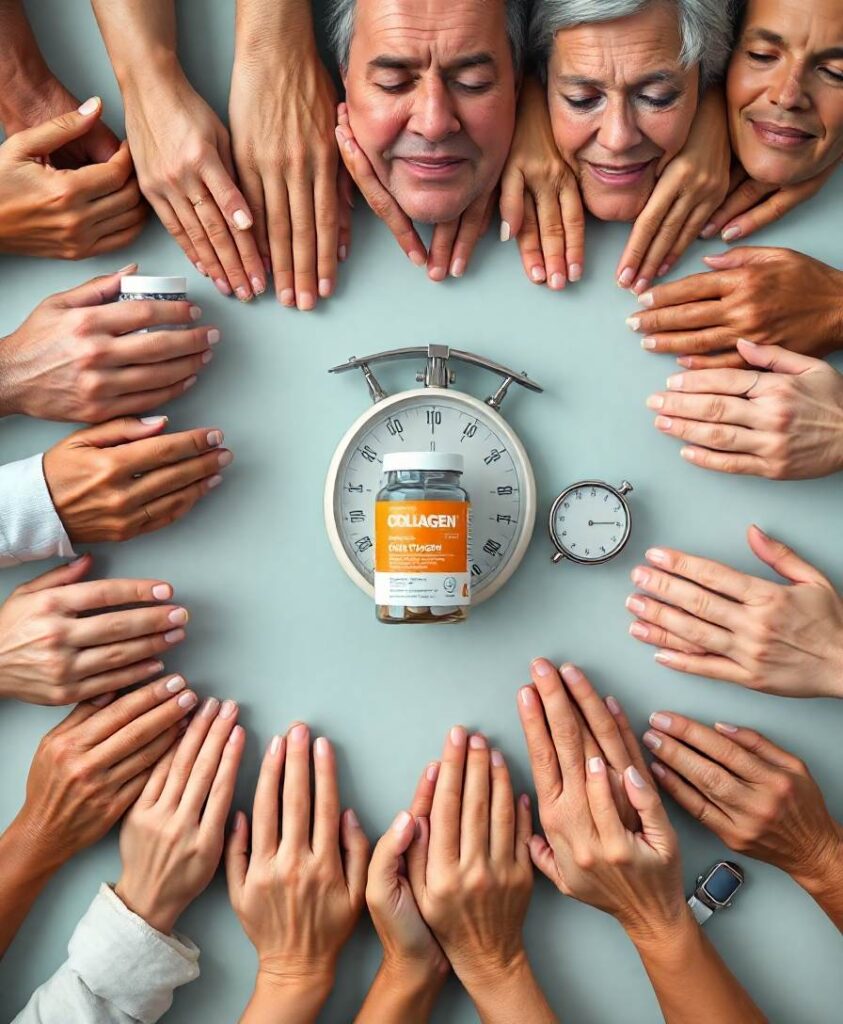
Supplements marketed with broad promises often bypass the real question: does this person have a deficiency or a clear risk that the supplement will fix? Some substances can help when levels are low, while others can produce side effects or interfere with common medications used in later life. Knowing which products are evidence-based and which carry risk matters for safety and for getting the most benefit from limited resources.
Understanding how nutrition supports resilience and daily function opens practical choices for aging well. Read on to see how specific nutrients tie into strength, mobility, and healthy aging, and which products to treat with caution so that older adults can make informed decisions that protect their health and independence.
Supplements are often marketed as shortcuts to better health, but for many older adults, the real issue is whether they have a specific deficiency. Vitamins like B12 and D can play an important role when levels are low, while protein may be one of the most overlooked nutrients for maintaining strength and independence. More isn’t always better, though—some supplements can cause harm or interact with medications.