Research at places such as the Boston University CTE Center combines careful tissue analysis with clinical histories to map patterns that connect injury exposure to later-life symptoms. That work progresses slowly because each donated brain is a complex puzzle piece. Over years, these studies build a clearer picture of risks, which can guide safer practices, better diagnostics, and support systems for players and their families.
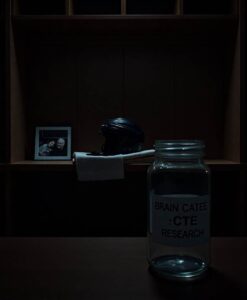
This article matters because it highlights a human decision that feeds a larger effort to protect future athletes and touch lives beyond the arena. Follow the link to learn how individual donations like this one help scientists investigate brain health, and how those findings might expand opportunities for prevention, care, and inclusion in sports and communities.
Claude Lemieux’s brain is being donated to the Boston University CTE Center to research the long-term effects of repetitive brain injuries, his family said Saturday in a statement released by daughter Claudia Lemieux Bishop. Lemieux died of suicide at age 60 on Thursday,…