

Translating lab results into daily life calls for careful thinking about safety, progression, and fairness. A program that relies on short, hard efforts must be designed so people of different fitness levels, mobility, and health histories can participate without undue risk. Medical checks, clear instructions, and options that replace running with cycling, brisk stair climbs, or bodyweight moves help more people experience benefits while reducing harm.
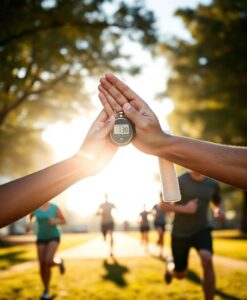
Curious about the science behind these surprising gains and what practical, inclusive versions of this approach look like? The full article connects physiology to real-world strategies that expand who can benefit from exercise and how we might rethink fitness as a tool for human potential and long-term health.
You may not need hours at the gym to boost your health after all. Researchers say just 30 minutes of high-intensity exercise per week — broken into tiny bursts of effort that leave you out of breath — can dramatically improve cardiovascular fitness, lower the risk of dozens of diseases, and even help protect the brain as we age. The key isn’t how long you exercise, but how hard you push yourself.