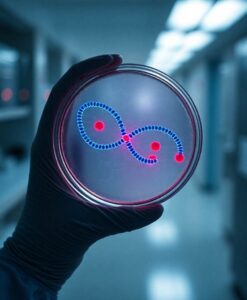

The idea of using short DNA strands as medicines draws on advances in molecular design and delivery. These molecules are engineered to find and bind a specific genetic message, stopping the cell from making the PCSK9 protein. Early results show steep drops in LDL levels, approaching reductions that previously required injectable therapies or high-dose drug regimens.
This work could expand who benefits from cholesterol-lowering treatments and how those treatments are given. If the approach scales safely, it could reshape prevention strategies and make powerful therapies more accessible. Follow the full study to see how these molecular tools perform in longer trials and what they might mean for shaping healthier futures for more people.
A new breakthrough could change how high cholesterol is treated, offering a powerful alternative to traditional drugs. Researchers have developed tiny DNA-based molecules that shut down PCSK9—a key protein that keeps “bad” LDL cholesterol circulating in the blood. By blocking this protein, cells can absorb more cholesterol instead of letting it build up in arteries, dramatically lowering levels linked to heart disease.