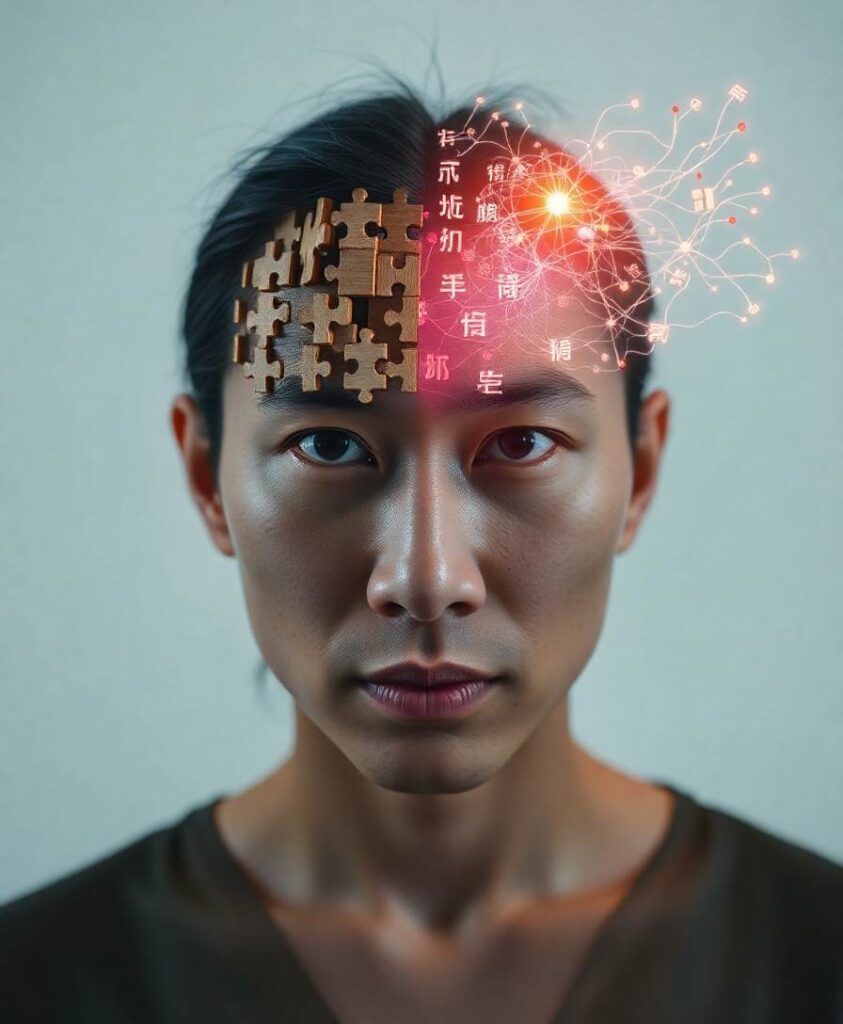

Alongside habit, rituals also rely on shared stories and expectations. When people enact a ritual, they reinforce a common way of understanding the world. Those shared models help coordinate behavior, solve cooperative problems, and make uncertain situations manageable. Learning which rituals produce real-world benefits depends on mental simulations and deliberate judgment, not only on automatic repetition.

Bringing these two learning systems together clarifies why rituals persist across eras and cultures. They both make individuals feel rewarded in the moment and keep communities aligned around the same assumptions about meaning and cooperation. The paper invites readers to explore how rituals support human potential by stabilizing shared worldviews and promoting social learning, and it prompts questions about how those processes shape inclusion, change, and resilience in diverse societies.
From petitionary prayers to pilgrimages, rituals are found in every known culture. Yet, the reason for their persistence is a matter of active debate. Some studies portray rituals as attempts to affect uncertain outcomes, whereas others emphasize their role in facilitating social cohesion. We review the cognitive processes underlying both perspectives and draw on advances in reinforcement learning to integrate them. Specifically, ritual participation is motivated by two processes: habitual reinforcement of affective and social rewards experienced during performance (model-free learning) and reinforcement of pragmatic and cooperative benefits derived from culturally shared world models (model-based learning). This framework synthesizes previous accounts and illuminates ritual’s role in sustaining intersubjectively aligned world models in past and present societies.