Scientists used dual-energy X-ray absorptiometry, a clinical tool that maps fat and lean tissue, to reveal where BMI leads us astray. The mismatch is not merely academic. People with healthy metabolisms but higher muscle or denser bone can carry a BMI that flags risk they don’t have, while others with normal BMI may harbor hidden excess fat that raises their disease risk. These differences ripple through screening, treatment priorities, and efforts to reduce stigma in healthcare.
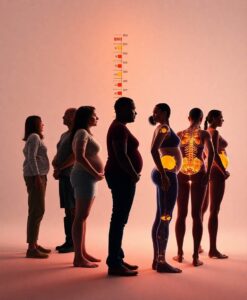
For anyone interested in human potential and inclusive health, this paper opens practical questions. How can clinicians combine simple metrics with targeted tests to better guide prevention and performance? What policies and digital tools should change to reflect nuanced body composition instead of a single number? Follow the full article to see how these findings might reshape measurement, care, and opportunity for diverse bodies.
A new study suggests that one of the most widely used health metrics, BMI, may be getting it wrong for a large portion of the population. By comparing BMI classifications with precise body fat measurements using advanced DXA scans, researchers found that more than one-third of adults were placed in incorrect weight categories. Many people labeled as overweight or obese did not actually have the corresponding body fat levels, while others were missed entirely.