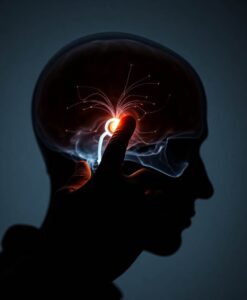

The caudal granular insular cortex sits in a part of the brain that integrates body feelings, emotion, and attention. If the animal findings hold in humans, therapies aimed at that region might reduce long-term suffering by interrupting the circuits that replay pain. That raises practical questions about safety, timing, and how to target an area that supports many kinds of internal awareness.
Understanding the CGIC matters beyond medicine because chronic pain narrows opportunities for learning, work, and relationships. Exploring how a single brain node can lock in a harmful state opens new paths for restoring full lives. Follow the full article to see how these discoveries connect to treatments that could expand human potential and inclusion for people living with persistent pain.
Deep within the brain, scientists have uncovered a hidden “switch” that may decide whether pain fades away—or lingers for months or even years. Researchers found that a small, little-known region called the caudal granular insular cortex (CGIC) acts like a command center, telling the body to keep pain signals alive long after an injury has healed. In animal studies, shutting down this pathway not only prevented chronic pain from forming but could even erase it once it had taken hold.