

That idea of synergy matters because it changes how we think about everyday foods and medicines. Scientists are mapping which molecular pathways each compound touches, and when pathways overlap in complementary ways the effect can multiply. This approach could guide smarter use of botanicals, help design lower-dose therapies with fewer side effects, and expand options for people who need long-term inflammation control.
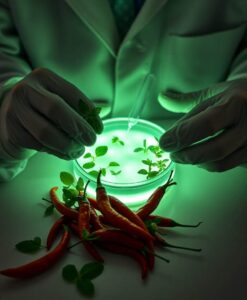
If you care about preventing disease, improving recovery, or making treatments more tolerable, the way these plant chemicals amplify each other is worth a closer look. The full article explains which combinations drove the biggest shifts inside immune cells and why that matters for human health, growth, and inclusion in future treatment strategies.
Chronic inflammation often works quietly in the background but can fuel serious diseases like diabetes, heart disease, and cancer. New research reveals that everyday plant compounds—like menthol from mint, cineole from eucalyptus, and capsaicin from chili peppers—can team up inside immune cells to dramatically boost their anti-inflammatory power. While individual compounds showed modest effects, certain combinations amplified results hundreds of times over by activating different cellular pathways at once.