
The science blends two fast-moving fields. Microbiome sequencing reveals which microbes are present and how they interact, while AI finds patterns too subtle for human review. Detecting 90% of cancers from a noninvasive sample would shift the screening landscape and change who gets diagnosed and when. For clinicians and public-health planners, that matters because detection at an earlier stage improves treatment options and outcomes.
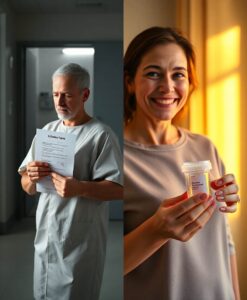
If this method proves robust across diverse populations and clinical settings, it could expand screening equity and reshape preventive care. Important questions remain: how the test performs over time, how it integrates with existing guidelines, and whether the microbial clues point to causes or consequences of disease. Follow the full report to see how these findings might connect to broader efforts to preserve human potential through earlier, more inclusive detection.
A breakthrough in microbiome research could change how colorectal cancer is detected—no colonoscopy required. Scientists used AI to map gut bacteria at an unprecedented level of detail, revealing subtle microbial patterns linked to cancer. By analyzing simple stool samples, their method identified 90% of cases, rivaling one of medicine’s most trusted diagnostic tools.