

Thinking in terms of three meta-theoretical dimensions—explanatory medium, scope, and perspective—offers a clearer map of where debates arise and why they persist. Explanatory medium concerns the kinds of entities or processes treated as primary; scope concerns whether explanations aim for wide generality or specific cases; perspective concerns whose viewpoint is privileged in describing experience. Those distinctions clarify why two well-argued positions might talk past one another rather than contradict each other, and they point toward ways to design studies and translate findings across approaches.
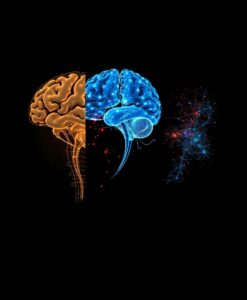
For anyone interested in human potential, these issues matter because how we conceptualize consciousness affects research priorities, clinical applications, and who benefits from new knowledge. A framework that makes conceptual differences explicit can open routes to more inclusive collaborations and practical progress. Follow the full article to see how these dimensions interact and to explore concrete examples that reveal where the next breakthroughs might emerge.
Contemporary consciousness science faces an impasse: competing theoretical frameworks—structuralist versus functionalist, universal versus local, intrinsic versus extrinsic—appear to be inducing philosophical deadlocks and conceptual standstills. While these debates have generated valuable insights, they have proceeded in parallel, without a systematic framework for understanding their relationships and implications. We contend that these parallel disputes reflect deeper, unresolved tensions in the conceptualization of consciousness. These debates can be addressed by recognizing three fundamental dimensions that encompass models of consciousness at a meta-theoretical level: explanatory medium, scope, and perspective. We show the interplay among different dimensions and how they mutually condition evidence, language, and concepts, reframing theoretical conflicts into tractable disagreements.