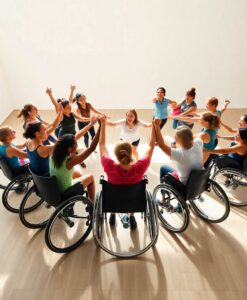
This approach matters because social ties and emotional well-being shape long-term health as much as exercise routines. Inclusive classes create routines people want to return to, which strengthens resilience and supports mental health. Instructors who adapt steps and cues open access to creative expression, and those adjustments reveal hidden capacities that conventional programs often miss.
Curious about how these practices play out in real life? The full interview with a program director highlights concrete strategies for inclusion, stories of transformed participants, and ideas that educators, therapists, and community leaders can use to expand opportunity. Follow the link to explore how adaptive dance connects movement with human potential, growth, and a deeper sense of belonging.
In this Q&A with the director of an adaptive dance program, we discuss the emotional and social benefits of exercise and the empowerment and sense of …