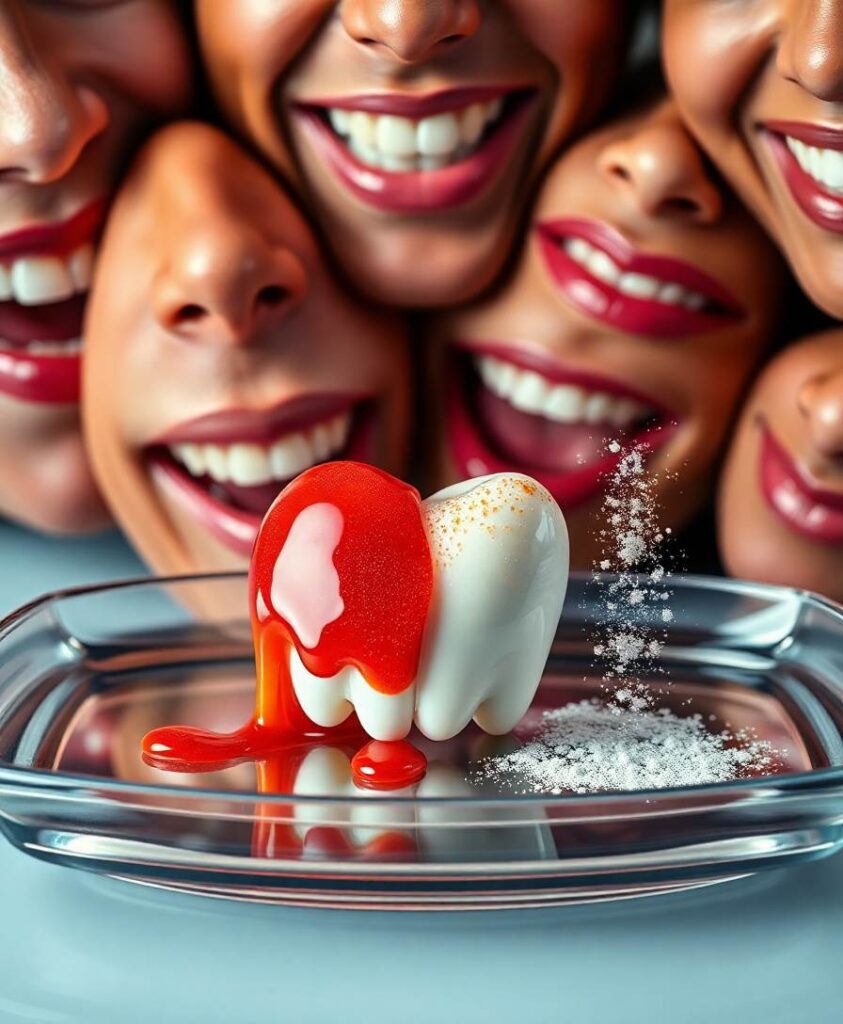
Lab tests suggest this protein layer pairs well with familiar agents such as fluoride and xylitol, increasing resistance to acid erosion and lowering bacterial damage. For people with reduced saliva, a topical treatment that can re-create protection could change how dentists prevent cavities and manage oral health after chemotherapy or radiation. The approach uses a plant-derived molecule to mimic one of saliva’s crucial jobs: holding protective proteins at the tooth surface.
This development reaches beyond a new product idea; it asks how we design treatments that restore what the body loses and who benefits when those treatments are affordable and easy to use. Follow the full article to explore how a sugarcane protein might reshape dental care, what steps remain before it reaches patients, and how this could expand access to prevention for people most at risk.
Scientists have created an artificial saliva using a sugarcane protein that can protect teeth and fight bacteria. The key ingredient, CANECPI-5, binds directly to enamel, forming a shield against acids that cause decay. Early tests show it works even better when paired with fluoride and xylitol, significantly reducing damage to teeth. The innovation could be especially life-changing for cancer patients who lose saliva production after treatment.