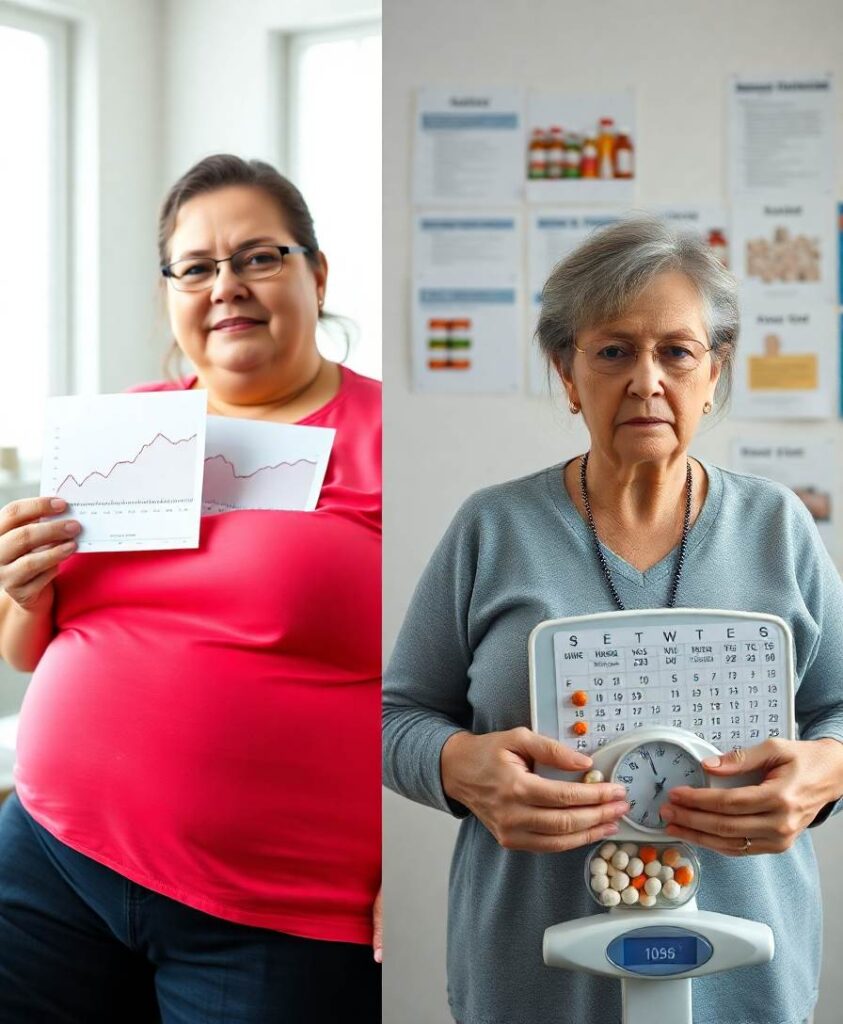

Real-world data can reveal outcomes that clinical trials miss: how people combine medications with habits, how providers adjust treatment over time, and what barriers patients face when therapy changes. Those everyday details shape whether weight remains stable, falls further, or climbs back. For clinicians and patients thinking beyond short trials, this kind of evidence helps form realistic plans for maintaining gains and managing setbacks.

If you want a clearer picture of how stopping a GLP-1 or GLP-1/GIP treatment plays out across diverse patients, the new study offers lessons about continuity of care, medication strategies, and the role of lifestyle support. For anyone curious about the implications for personal resilience, equitable access, and long-term wellbeing, the full article connects these findings to human potential and inclusive health decisions.
Stopping popular weight-loss injections like Ozempic or Mounjaro might not trigger the dramatic rebound many fear. A large real-world study of nearly 8,000 patients found that most people who discontinue these drugs manage to keep the weight off—or even continue losing—by restarting treatment, switching medications, or adopting lifestyle changes. While earlier clinical trials suggested rapid weight regain, this new evidence paints a more hopeful picture.