The research tracked people over a decade and found links between cycling and lower chances of needing long-term care or facing earlier mortality. Starting to ride later in life still showed benefits, which is hopeful for anyone thinking change is out of reach. Small, regular habits can shift health trajectories in ways that medical tests or prescriptions sometimes cannot.
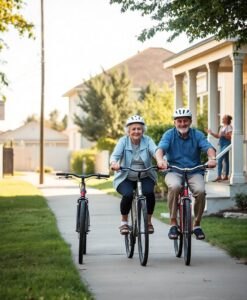
If you care about healthy aging, this topic matters because it combines physical activity, independence, and everyday access to community life. Click through to learn how cycling might fit into real routines, what safety and accessibility look like for different abilities, and why encouraging riding could make communities more inclusive as people grow older.
Cycling might be one of the simplest ways for older adults to stay healthier, longer. A 10-year study in Japan found that seniors who rode bicycles had lower risks of needing long-term care and dying—especially those who didn’t drive. Continuing or even starting cycling later in life still delivered noticeable benefits. The results highlight biking as a surprisingly powerful tool for maintaining independence and well-being.