

For anyone thinking about brain health, the result is not a promise of overnight cures but a direction worth following. The experiments suggest mechanisms by which cells rebuild their capacity to divide and differentiate, and they tie those processes to memory-related circuitry. Understanding those mechanisms gives researchers targets for therapies that aim to preserve cognitive skills or restore lost abilities.
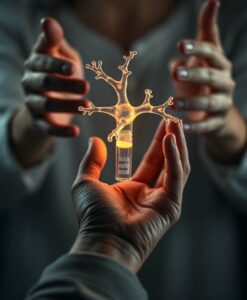
Curiosity about human potential grows when a concrete molecular player appears in the story of aging. The paper opens questions about who could benefit, how long effects might last, and whether boosting DMTF1 interacts with other age-related changes. Follow the full article to see how this finding could connect to inclusive strategies for healthy brain aging and what steps scientists are taking next.
A newly identified protein may hold the key to rejuvenating aging brain cells. Researchers found that boosting DMTF1 can restore the ability of neural stem cells to regenerate, even when age-related damage has set in. Without it, these cells struggle to renew and support memory and learning. The findings raise hopes for treatments that could slow or even reverse aspects of brain aging.