

The study highlights a specific tissue called beige fat, which sits between white fat that stores energy and brown fat that burns it. In the experiments, mice made more heat from beige fat after the amino acids were reduced, and the effect resembled what happens when animals face cold. For people, finding safe dietary strategies that encourage energy use in fat cells could open new paths for addressing obesity and metabolic disease while respecting individual differences in mobility, lifestyle, and access to exercise.
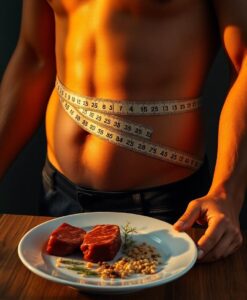
If diet can shift how fat behaves, the implications reach beyond weight to include aging, inflammation, and how communities access nutritious food. The next steps will examine safety, long-term effects, and whether similar responses appear in humans. Follow the full article to see how these findings connect to expanding human potential and making metabolic health more inclusive and attainable.
Researchers found that cutting two amino acids common in animal protein—methionine and cysteine—made mice burn significantly more energy. The boost in heat production was nearly as powerful as constant exposure to cold temperatures. The mice didn’t eat less or exercise more; they simply generated more heat in their beige fat. The discovery hints that diet alone might activate the body’s calorie-burning machinery.