
The UCLA study tested repeated daily sessions delivered over five days and reported symptom relief on a timetable that surprised many clinicians. Some participants felt benefits right away and others improved more gradually in the weeks after treatment. That pattern matters because it suggests brain circuits may respond on different schedules, and faster protocols could expand who receives evidence-based options without sacrificing durability.

If this approach proves reliable in larger trials, it could change how we think about recovery trajectories and equity in mental health care. Shorter, clinic-friendly courses could make advanced therapies realistic for people who cannot commit to months of appointments. Follow the link to read how the researchers measured outcomes and what the next steps are for validating safety, longer-term effects, and broader availability.
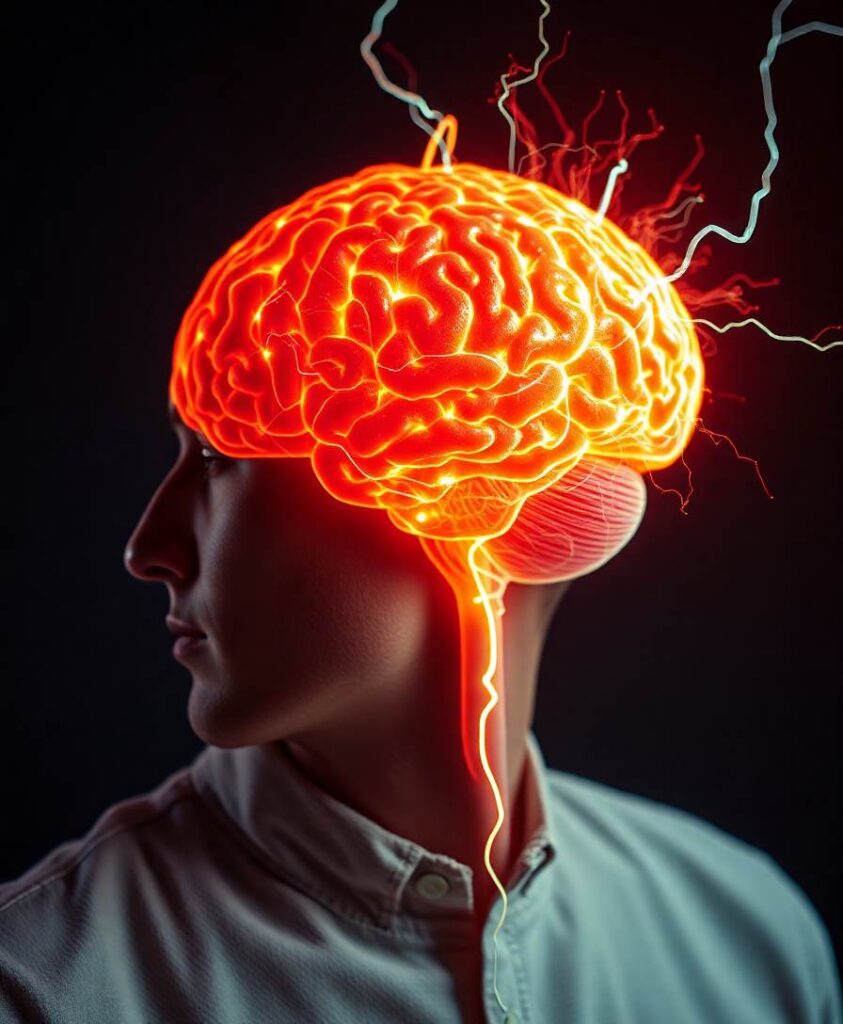
A weeklong, high-intensity version of TMS may work nearly as well as the standard six-week treatment for depression. In a UCLA study, patients who received five sessions a day for five days experienced meaningful symptom relief comparable to those on the traditional schedule. Some who didn’t improve immediately showed strong gains weeks later. The findings hint at a faster, more accessible path to recovery.