Thinking about truth as an active, layered process helps explain why people can hold conflicting beliefs or weigh evidence differently. When someone asks whether a claim could be true, they tap imagination and background knowledge. When they ask whether it is true, they draw on evidence and credibility. When they decide to assert it, social stakes and goals shape the move. Each step draws on different skills and biases, and each has implications for learning and inclusion.
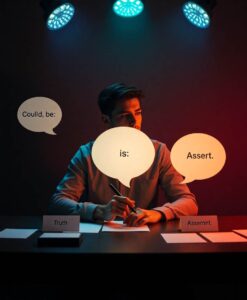
This framework opens practical lines of inquiry for educators, communicators, and policy makers who want to foster better reasoning and fairer conversations. Curious how these ideas link to teaching critical thinking, reducing misunderstandings, or making public debate more inclusive? The full article explores the questions in depth and shows where future research could strengthen our collective ability to navigate truth.
Cognitive science has recently begun exploring how people conceptualize and reason about truth. We offer the field a framework that can guide inquiry into intuitive theories of truth, centered on three core questions: how do people judge whether statements could be true, whether statements are true, and whether to assert them as true.