
Clostridia, a common group of gut microbes, appear particularly skilled at reading these chemical cues. They detect signals tied to fats, proteins, sugars, and small molecules such as lactate and formate, then steer themselves toward the best energy sources. That behavior affects how the gut ecosystem processes nutrients and influences immune signaling, energy extraction, and the balance between beneficial and harmful microbes.
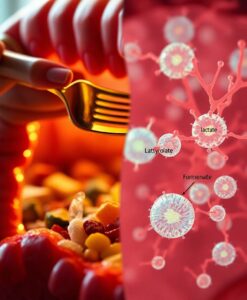
Understanding how gut bacteria sense and respond to chemical signals matters for human health because those microscopic choices ripple outward. If we can learn which signals support helpful microbes or how diet and medicines change the chemical landscape, we can design more effective ways to nurture resilient microbiomes. Follow the full article to explore the molecular sensors and the surprising compounds that guide microbial behavior, and consider what that means for diet, treatments, and inclusive approaches to improving gut health for diverse populations.
Your gut is home to trillions of bacteria that constantly “sense” their surroundings to survive and thrive. New research shows that beneficial gut microbes, especially common Clostridia bacteria, can detect a surprisingly wide range of chemical signals produced during digestion, including byproducts of fats, proteins, sugars, and even DNA. These microbes use specialized sensors to move toward valuable nutrients, with lactate and formate standing out as especially important fuel sources.