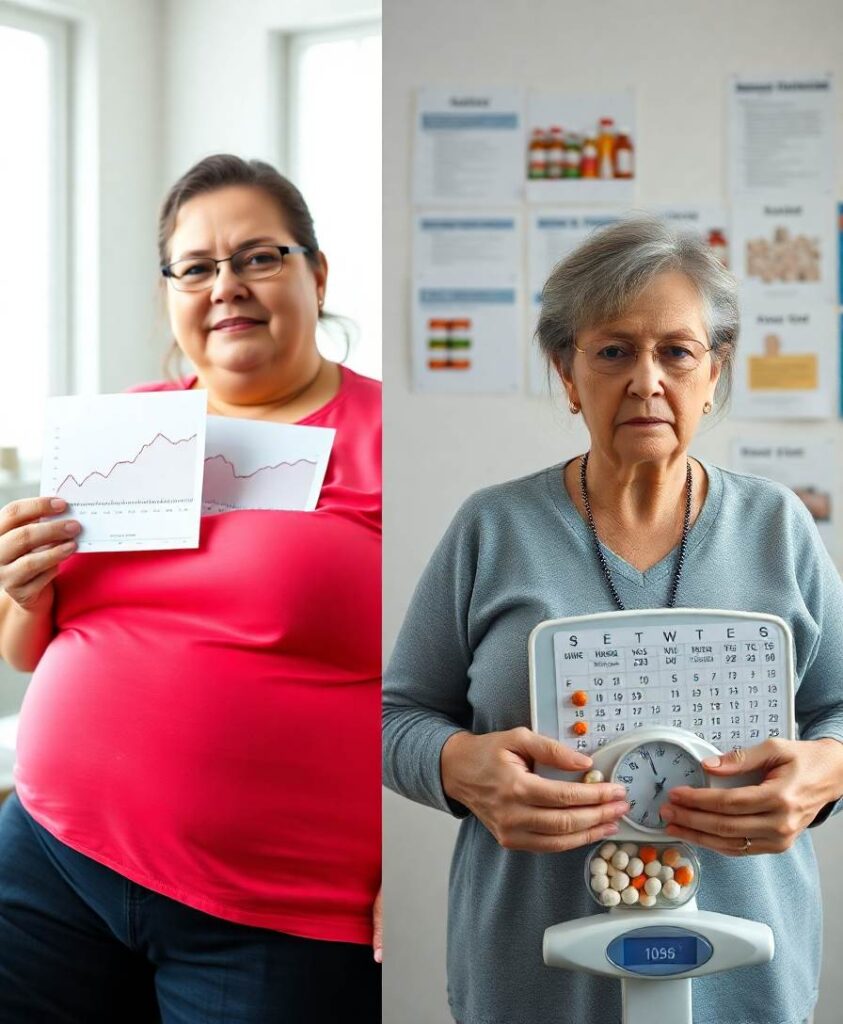
The World Health Organization’s reviews bring careful scrutiny to those headline results. They flag questions about long-term safety, the influence of industry funding on study design, and common side effects that affect everyday life. Those are the kinds of issues that matter when a treatment moves from clinical trials into millions of people’s routines. My experience suggests that clear, independent evidence is essential for shaping guidelines, insurance coverage, and practical advice for patients.

If you care about how medical advances translate into lasting benefit, the debate around these drugs is worth following. There are important implications for health equity, for how we measure success in obesity treatment, and for what support people will need beyond a prescription. Click through to learn how these findings might change care and what remains unknown about their role in helping people thrive.
Three major reviews commissioned by the World Health Organization find that GLP-1 drugs including tirzepatide (sold as Mounjaro and Zepbound), semaglutide (Ozempic and Wegovy), and liraglutide (Victoza and Saxenda) can lead to substantial weight loss in people with obesity. But while the results are impressive, researchers caution that most trials were funded by drugmakers, long term safety data are still limited, and side effects such as nausea are common.