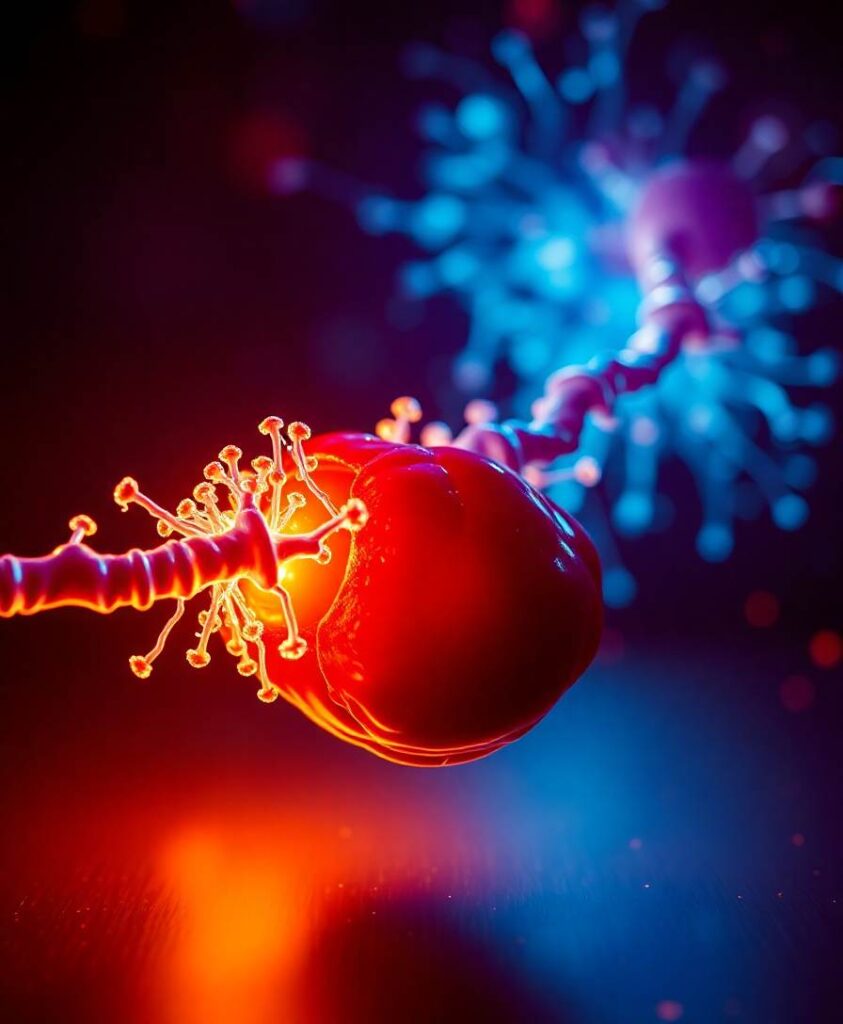

Lab studies suggest the root’s molecules influence hormone receptors, protect follicle cells from oxidative stress, and stimulate the local signaling that tells dormant follicles to start growing again. Those findings bridge old knowledge and new methods, but translating promising lab signals into safe, effective treatments requires careful clinical testing. Attention to dosing, side effects, and long-term outcomes will be essential before recommending widespread use, especially because herbal mixtures can vary widely in composition and potency.

If you care about how traditional remedies can inform modern approaches to human potential and well-being, this research is worth a closer look. The next questions include who benefits most, how to standardize extracts, and whether combining these compounds with existing therapies improves results. Follow the full article to see how scientists are connecting an ancient botanical practice to current efforts to preserve and restore hair in ways that support people’s confidence and daily lives.
A centuries-old Chinese medicinal root is getting new scientific attention as a potential game-changer for common hair loss. Polygonum multiflorum, long believed to restore dark, healthy hair, appears to work on multiple fronts at once—blocking hair-shrinking hormones, protecting follicles from damage, activating natural regrowth signals, and boosting blood flow to the scalp.