

This work blends microbiology, metabolic engineering, and practical manufacturing. Turning microbes into tiny factories requires tuning enzymes and production pathways so they operate efficiently at scale. When those pieces fall into place, a sugar that was once expensive and scarce can become widely available, which opens possibilities for everyday use in food, medicine, and preventive health strategies.
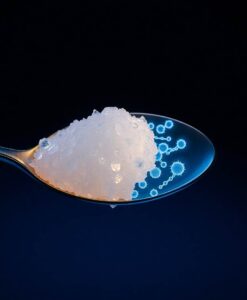
If tagatose can be produced affordably, people could have access to a sweetener with far fewer calories and smaller effects on blood glucose. That shift could influence dietary choices, dental health, and gut microbes in ways that support long-term well-being. Follow the link to see how this technological step could reshape what we call sweet and what it means for human potential, growth, and inclusion in healthier food options.
Scientists at Tufts have found a way to turn common glucose into a rare sugar that tastes almost exactly like table sugar—but with far fewer downsides. Using engineered bacteria as microscopic factories, the team can now produce tagatose efficiently and cheaply, achieving yields far higher than current methods. Tagatose delivers nearly the same sweetness as sugar with significantly fewer calories, minimal impact on blood sugar, and even potential benefits for oral and gut health.