

Understanding that sensor gives scientists a concrete target for therapies. If a drug can mimic the sensor’s signal, it might prompt bone-building pathways even when people cannot exercise due to illness, injury, or mobility limits. That kind of intervention could change outcomes for older adults and patients whose bones weaken from prolonged immobility.
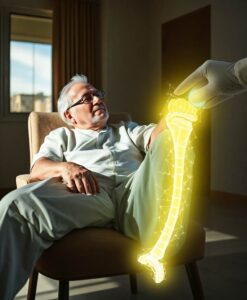
The idea raises practical and ethical questions about how far we should replicate exercise at the molecular level and who will benefit. Follow the full article to explore how this discovery links to human potential and inclusion, and to learn what steps researchers are taking to move from laboratory insight to safer, real-world options for protecting bone health.
Researchers have discovered a biological switch that explains why movement keeps bones strong. The protein senses physical activity and pushes bone marrow stem cells to build bone instead of storing fat, slowing age-related bone loss. By targeting this “exercise sensor,” scientists believe they could create drugs that mimic exercise at the molecular level. The approach could protect fragile bones in people who are unable to stay active.
