
These findings point to a surprising route for helping people be more active. If a simple sensory trick can decouple feeling from work, therapists and coaches might design approaches that lower the psychological barrier to exercise. That could widen access to movement for people recovering from injury, older adults rebuilding confidence, or anyone who avoids activity because it seems too hard.
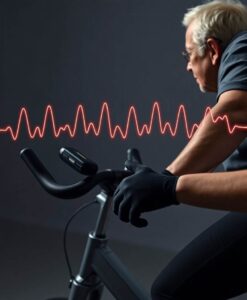
Curious how a small vibration can reshape effort and what limits this method might have? The full article explores the science behind the brain’s sense of exertion and examines how this mismatch between body signals and perception could influence training, rehabilitation, and everyday motivation to move.
Exercise doesn’t just challenge the body; it challenges how the brain interprets effort. Scientists discovered that vibrating tendons before cycling allowed people to push harder without feeling like they were working more. Their muscles and hearts worked overtime, but their sense of strain stayed the same. This brain-body mismatch could one day help make exercise feel less intimidating, especially for people who struggle to stay active.