As people age or face neurological illness, enzymes and immune signals steer tryptophan down different chemical routes. That redirection can change how memories form, how sleep cycles are regulated, and how emotions are experienced. Small molecular shifts can lead to big changes in cognition and behavior because the brain depends on a steady supply of helpful metabolites to stay resilient.
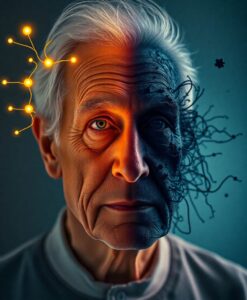
Understanding which proteins control these branching points could open new ways to support recovery and preserve function. For anyone interested in how molecules influence learning, mood, and inclusion for people with brain disorders, the full article explores mechanisms that link cellular chemistry to everyday human potential. Click through to learn how targeting a single protein might change outcomes for aging brains and neurological care.
Tryptophan does far more than help us sleep—it fuels brain chemistry, energy production, and mood-regulating neurotransmitters. But as the brain ages or develops neurological disease, this delicate system goes awry, pushing tryptophan toward harmful byproducts linked to memory loss, mood changes, and sleep problems.