

This line of work matters because it connects two everyday realms: oral hygiene and long-term brain health. The study offers a plausible pathway from a familiar microbe to biological processes associated with Parkinson’s disease, and it suggests that keeping gums and gut microbiomes healthier could change risk trajectories in ways we are only beginning to understand. The experiments are in animals, so careful follow-up in humans will be essential, but the biology here gives researchers specific targets to test.
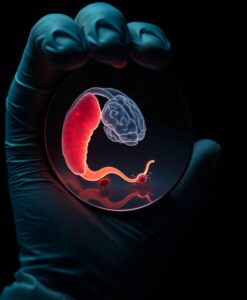
If future studies confirm these links in people, the implications reach clinical screening and prevention. Simple actions that preserve oral and digestive balance might become part of broader strategies to protect motor neurons and slow neurodegeneration. Click through to read how the researchers traced the molecular trail from mouth to brain and what that could mean for preventing movement disorders and expanding inclusive approaches to lifelong brain health.
A familiar mouth bacterium best known for causing cavities may also be quietly influencing the brain. Scientists found that when this microbe settles in the gut, it produces compounds that can travel through the bloodstream and harm neurons involved in movement. In animal studies, this process triggered inflammation, motor problems, and brain changes linked to Parkinson’s disease. The findings hint that protecting oral and gut health could help protect the brain as well.