

Many of the forces driving this rise are familiar: aging populations, changing diets, and the spread of risk factors like tobacco use and high blood sugar. These trends interact with unequal access to screening, vaccines, and modern therapies, so the burden lands unevenly. When prevention, early detection, and basic treatment are missing, survival rates lag behind wealthier regions even when the same cancers are involved.
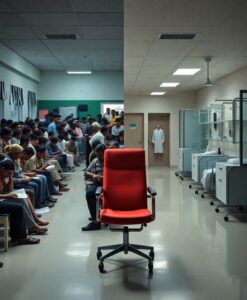
Understanding this surge matters for anyone who cares about fairness, healthy aging, and economic stability. The most effective responses combine public health measures, improved access to care, and investments that build local capacity. Follow the link to read the full study and learn how its findings connect to human potential, community resilience, and paths to more inclusive health systems.
Global cancer cases have surged dramatically, doubling since 1990 and reaching 18.5 million new diagnoses in 2023. Deaths have also climbed to over 10 million a year, with the steepest increases hitting low- and middle-income countries. Without urgent action, researchers project more than 30 million new cases annually by 2050. Alarmingly, around four in ten cancer deaths are tied to preventable risks such as smoking, poor diet, and high blood sugar.