

The result that the combination worked where individual nutrients did not points to interactions within metabolic and signaling pathways. That matters when thinking about treatments: biological systems often respond to coordinated changes rather than single inputs. The team measured molecular markers and behavior, which strengthens the link between what happened inside neurons and what showed up in social tests.
For people curious about human potential and inclusion, the take-home question is how nutritional environments shape developing brains and social abilities. If nutrients can shift circuit balance in controlled models, we need careful research to see whether similar approaches could support learning and connection in humans. Follow the full article to explore the experimental details and what steps scientists propose before any clinical use is considered.
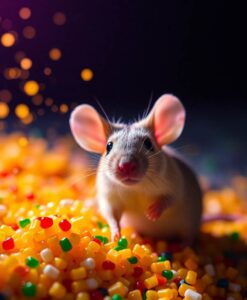
A low-dose mix of zinc, serine, and branched-chain amino acids boosted neural function and social behavior in autism mouse models. The combination restored more typical synaptic protein patterns and reduced excessive amygdala activity. Individual supplements had no effect, showing that the nutrients must work together. The findings point toward a promising multi-nutrient strategy for influencing brain circuits involved in autism.